

Major Tasks Completed
- Provided Comprehensive SGMA and GSP Implementation Support
- Developed Annual Reports, Model Updates and Periodic Evaluations
- Prepared MALRP
- Developed Land Repurposing Strategies
- Conducted Intensive Outreach and Engagement with Growers and Community Stakeholders
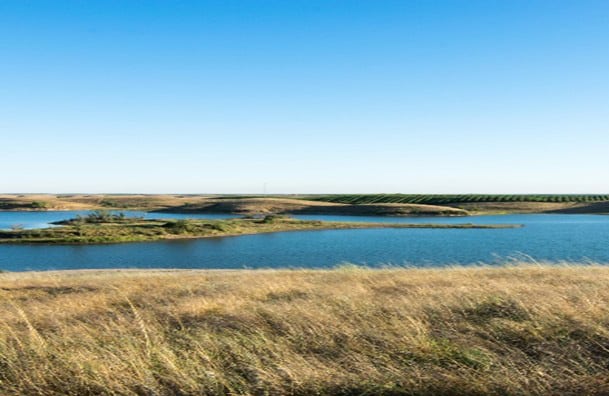
Turlock Subbasin SGMA Implementation and Land Repurposing Support
Client
Turlock Irrigation District and East Turlock Subbasin GSA
Location
Stanislaus County, CA

In 2025, EKI was selected to take over Sustainable Groundwater Management Act (SGMA) implementation in the Turlock Subbasin, including development of the Annual Reports, model updates, and Periodic Evaluation preparation. EKI will be providing comprehensive SGMA and GSP implementation support to both subbasin GSAs over the next several years.
In 2024, EKI was retained to lead the East Turlock Subbasin Groundwater Sustainability Agency (ETSGSA’s) Multibenefit Land Repurposing Program (MLRP) program development, including preparation of a comprehensive Multibenefit Agricultural Land Repurposing Plan (MALRP) to strategically repurpose up to 20,000 acres of irrigated agricultural land in the Basin to support the ETSGSA’s regional groundwater demand reduction goals.
Between 2022 and 2023, EKI provided technical support to the ETSGSA to develop an alternative conceptual framework for allocating groundwater supplies to each of the GSAs in the Turlock Subbasin consistent with California’s groundwater and surface water rights structures. EKI developed the technical approach and provided the methodology and preliminary allocation framework through a memo and several presentations at the GSA and Subbasin levels. EKI produced estimates of impacts of developed infrastructure on different components of the water system, including river flows, river seepage, and groundwater recharge, to help divide different components of the water allocation framework into native, imported, and salvaged water. As a result of EKI’s contributions, the ETSGSA and West Turlock Subbasin GSA (WTSGSA) initiated their planned negotiation and allocations.
Outcome
The ETSGSA MLRP aims to reduce groundwater demand while maintaining working lands and simultaneously delivering multifaceted benefits including groundwater recharge, habitat creation, enhancement of community health and economic wellbeing, improvement of water quality, flood protection, soil health, and/or bolstering climate resilience.
- Turlock MLRP website/content: Turlock MLRP